


From 2012 to 2020, China carried out a poverty alleviation campaign with unprecedented efforts and declared the end of extreme poverty in 2021. Some argue that China’s victory in poverty alleviation is overstated. Recently, “China said it ended poverty. Did it?” an article by Will Langley of the Financial Times, raised doubts about the authenticity and sustainability of China’s poverty alleviation efforts, based on his interview in two counties of southwest China’s Guizhou Province.
Such doubts are not new. But when they are built on unverified details, selectively presented anecdotes, and missing context, the report goes beyond differing perspectives and raises questions of validity.
Since 2012, China has entered a new phase of poverty alleviation through a combination of industrial development, labor mobility, transport and communication facility expansion, and health insurance subsidies. In November 2020, Guizhou announced that its last nine impoverished counties had been lifted out of poverty, marking the removal of all 832 registered poor counties in China.
A transition period then followed, with continued monitoring and support for those lifted out of poverty and those at risk of slipping into poverty.
Based on our in-depth research and cross-checks with our colleague in Guizhou, we verified the article’s narrative against on-the-ground realities. Unfortunately, a number of its key details prove less than robust, and in some cases fail to withstand even basic verification.
Here’s a point-by-point response to the Financial Times report.
1. Granny Yang revisited: facts behind the story
By most measures Yang Nai Yan Qing lives a frugal life. A member of China’s Dong ethnic minority, the villager in her sixties resides in China’s Guizhou province, one of the country’s poorest, and reckons her monthly living expenses are less than Rmb200 ($29).
Except on special occasions, such as the spring festival when she buys meat if she can afford it, Yang eats only mustard greens, cabbage and sweet potatoes, almost all of which she grows herself in a field a long walk uphill. Her other expenses are limited to cooking staples, clothing purchases every few years and medicine.
The FT’s narrative conjures a heart-wrenching image of an elderly woman struggling in penury, which serves as a pointed metaphor for the country’s much-vaunted poverty-alleviation campaign falling short.
Last week, however, when our colleague in Guizhou visited Yang in the province’s Congjiang County, she found a stark contrast.
Yang’s home is a self-built, three-and-a-half-storey house, one of the larger residences in the village. The ground floor alone measures around 160 square meters. Her family is not impoverished, so the house was not government-provided, but built at their own expense about a decade ago.
With her permission, our colleague took photographs of both the interior and exterior. Judge for yourself whether the allegation of poverty holds up.
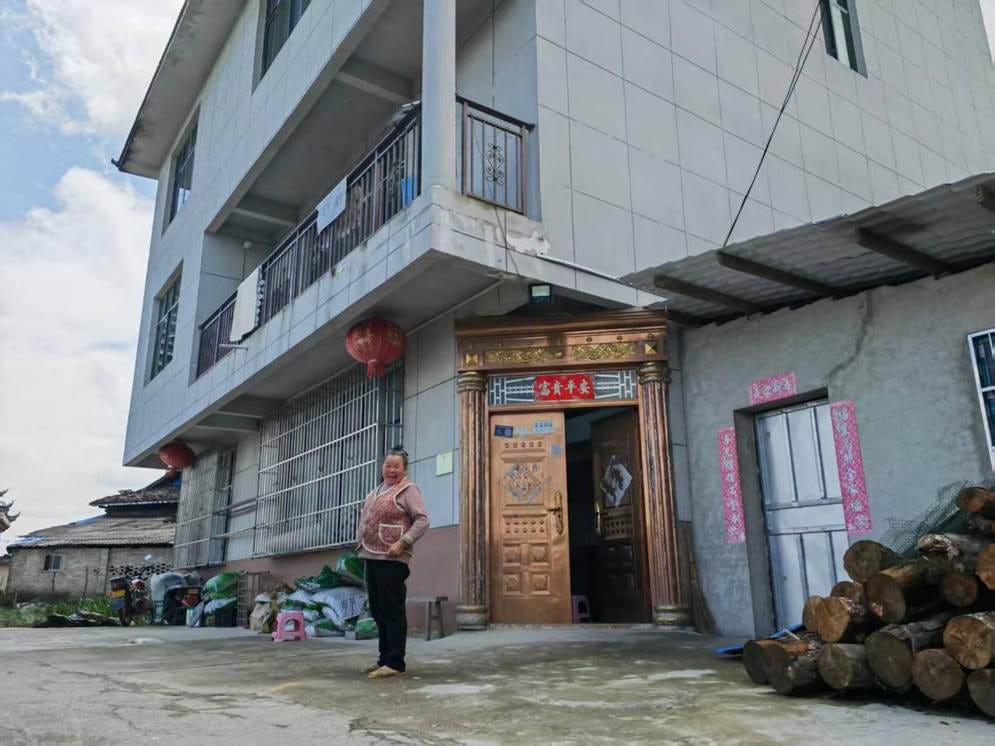
Granny Yang recalled that a foreigner arrived at her home by car with a Chinese assistant around January 30 this year. The man, supposedly Langley, did not identify himself as a journalist. Out of hospitality, she invited them inside for a chat. She did not understand the purpose of the visit and simply took Langley and his assistant as tourists. To this day, she still does not know what the Financial Times is.
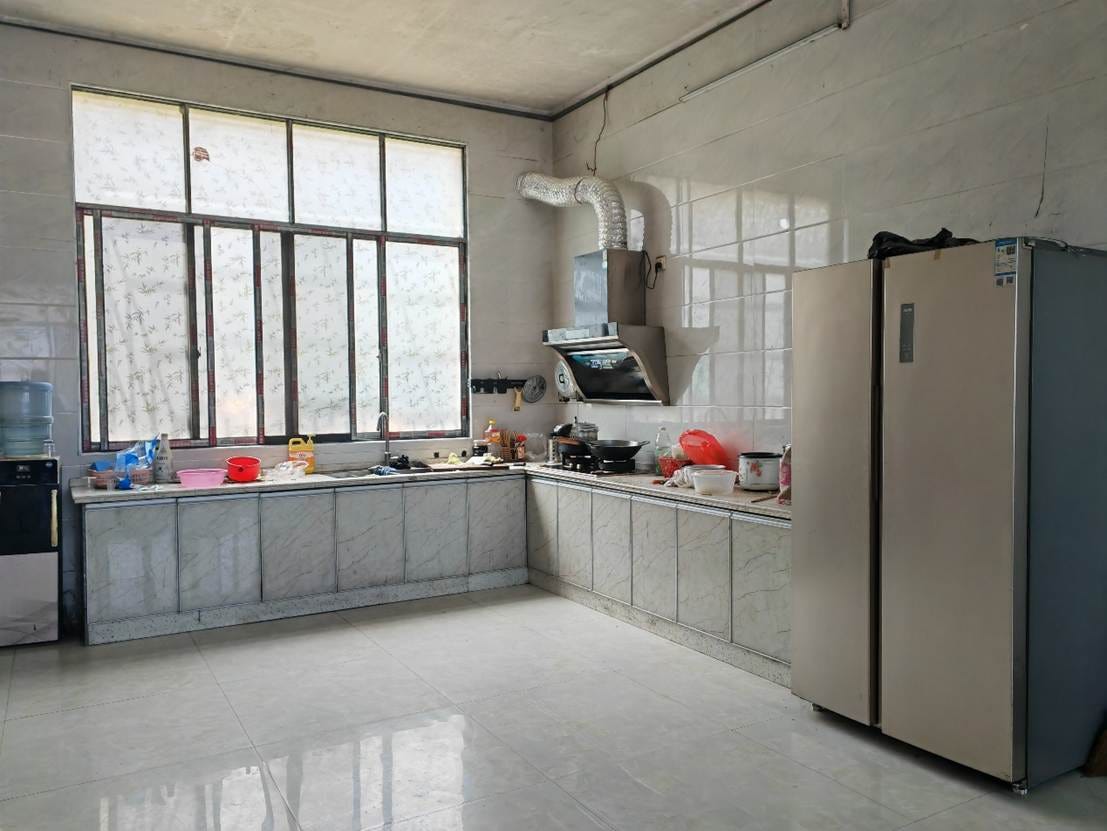
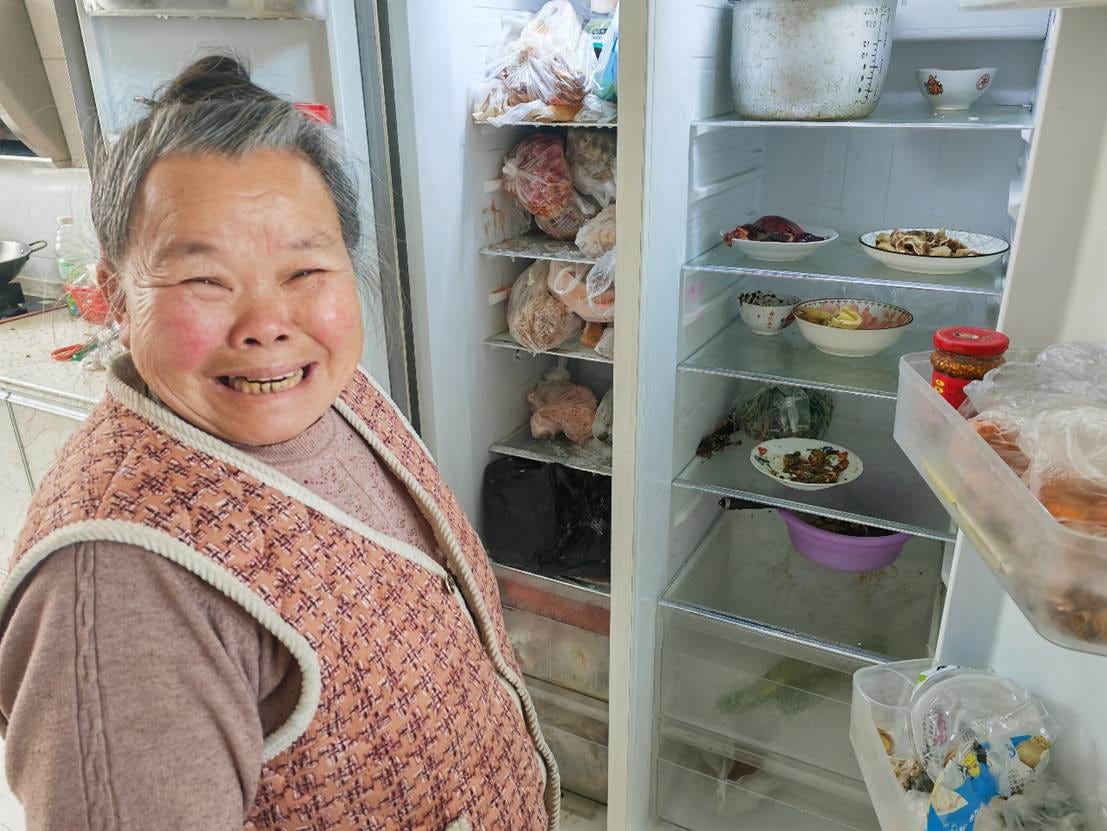
Granny Yang’s kitchen is huge. She showed her double-door refrigerator, which was well stocked with meat. She explained that she simply does not like eating meat. In the past, when life was more difficult, she could not afford it even if she wanted to, but now she can have it whenever she wishes.
Yang, 63, and her husband, 68, each receive pensions of around 200 yuan (29 USD) per month. Her mother-in-law, who is over 90, receives both a pension and an additional allowance for the elderly. Altogether, the elder members of the household have a stable monthly income of nearly 700 yuan (102 USD).
Her son and daughter-in-law have stable jobs as a driver and a salesperson, respectively. The combined annual income of the household is close to 80,000 yuan (11,702 USD). Her daughter is operating a start-up. Her children also give her an allowance each month. And, the family owns a private car.
The FT also reported, “many of her neighbors were relocated to newer apartment blocks downhill.” However, our colleague has verified that there has been no unified resettlement in the village. The so-called new apartments are mostly self-built homes constructed by villagers in recent years. Granny Yang herself has also retained a traditional wooden house not far away, which has clear ethnic characteristics and is not in disrepair.
Langley wrote that “she says her life has barely changed.” We are not sure whether this reflects a communication gap, but judging from her diet storage and housing conditions, the changes have in fact been quite significant. Perhaps what has remained unchanged is her long-standing habit of frugality. To equate such a lifestyle directly with poverty seems more like a delibrate misrepresentation serving a particular narrative.
The FT report claims that Granny Yang “hand-binds silver links into decorative chains for traditional Dong clothing, a job that can earn her Rmb3 per day when work is available. “
Frankly, such low pay came as a surprise.. In this province, the government’s minimum daily safety-net payment is 63 yuan (9 USD).
However, further investigation again revealed factual inaccuracies. Granny Yang showed our colleague the materials she works with. These are actually iron rings. Her task is to string them together into chains, which are later used as decorative accessories to bags, rather than as silver jewelry. She got the errand through WeChat groups. It is more of a way to pass the time than a primary source of income.
To meet her larger bills, such as her housing costs, she relies on remittances from male relatives who work in China’s wealthier provinces.
At this point, we were puzzled. Although the Financial Times does not explicitly state it, the narrative clearly leans toward portraying her as someone who has been resettled from another area due to poverty. According to relevant policies in China, households officially registered as impoverished and relocated under such programs are provided with free government housing.
As mentioned earlier, Yang’s family is relatively well-off within the village and is not classified as a low-income household. Their current home was built with a loan and their own funds, and they are still repaying that loan. However, the family considers the specific amount to be private and has declined to disclose it.
More importantly, her immediate family members all live locally in the county of Congjiang. The only thing coming from another province seems to be the narrative.
2. Policy in practice: a different picture from the data
…a collapse in China’s property sector and stubbornly weak consumer demand have dented residents’ ability to boost their incomes further. Meanwhile, growing indebtedness has hampered local authorities’ ability to respond to economic shocks.
Such portrayals may easily resonate with readers who lack a concrete understanding of China. However, once examined against specific data and policy practices, these broad generalizations appear overly simplistic.
Take Congjiang County as an example. It is undeniable that this area is among the least economically developed in Guizhou Province, and its employment structure is far from ideal. Yet the reality of fiscal investment stands in clear contrast to the narrative of being unable to cope.
According to the data we obtained, government spending on assistance for fiscally vulnerable groups in Congjiang amounted to 337 million yuan (49.3 million USD) last year and 332 million yuan (48.6 million USD) the year before. At least 60% of these funds are required to be allocated to industrial development, while the remaining 40% is used to support employment growth, infrastructure improvements, and basic social security.
Since China declared the completion of poverty eradication in 2021, preventing a return to poverty has become a top priority for the country’s local governance. Related funding has not experienced any significant contraction despite broader macroeconomic fluctuations.
China designated the period from 2021 to 2025 as a transitional phase. A key mechanism during this stage is dynamic monitoring and re-inclusion in the policy support:
-Individuals who have been lifted out of poverty continue to be tracked.
-Households whose income falls below the annual monitoring threshold, even if they were not previously classified as poor, are brought into assistance programs.
-The government provides support including health insurance subsidies and targeted career support.
The funding for these programs comes from the central government’s subsidies for promoting rural revitalization, which evolved from the former special poverty alleviation fund. In 2020, this fund amounted to 139.6 billion yuan (20 billion USD). After being renamed in 2021, it increased steadily each year, reaching 177 billion yuan (25.9 billion USD) by 2025. Following the end of the transition period, the fund was again reclassified this year as regular central government assistance funding, with the total remaining at 177 billion yuan.
From local governments to the central level, budgets have shown steady growth rather than contraction. This is not a system retreating under pressure. It is one that continues to expand, adapt, and deliver.
3. Is China’s poverty line really that low?
Xi’s speech signalled the end of an eight-year campaign to bring the last remaining 100mn Chinese people above the poverty line, defined as earning an income of Rmb2,300 per year (336 USD) at 2010 prices. Accounting for inflation and purchasing power, the threshold is significantly higher in dollar terms.
Having consulted relevant authorities, we have confirmed this threshold is a baseline rather than a fixed figure. During China’s poverty alleviation process, it is adjusted annually in line with changes in prices and levels of development, and provinces are free to set higher standards of their own.
In Guizhou Province, for example, the standard was 6,000 yuan (878 USD) in 2020, when extreme poverty was officially eradicated, and has risen to 8,500 yuan (1,243 USD) this year.
According to data from the United Nations, eradicating extreme poverty for all people everywhere by 2030 is a pivotal aim of the Sustainable Development Goals. Extreme poverty means surviving on less than 3.00 USD per person per day at 2021 purchasing power parity.
By this standard, the annual threshold is about 1,095 USD. Even without further adjustment, Guizhou’s benchmark already exceeds this level by a considerable margin. Once purchasing power parity is taken into account, the gap becomes even more pronounced.
4. Does the expert really support the narrative?
“It [eradicating poverty] was an incredible thing to try to do. And in nominal money terms, they did it,” says Robert Walker, a professor at Beijing Normal University and an emeritus fellow at Green Templeton College, Oxford. But, he adds, lifting people out of poverty permanently “is sort of untenable”.
The FT’s story then turns to an academic, a professor emeritus at the University of Oxford who has studied China’s poverty alleviation efforts, to enhance its credibility. Notably, however, Walker himself later published a public response expressing clear disappointment with the way the report was presented. His full statement is lengthy, but one particularly representative line reads:
“Always be aware, then, of the ‘subtle propaganda techniques’ used by Western journalists since truthfulness may be lacking in their attempts at cross-cultural communication.”
In other words, even the scholar cited to “lend credibility” to the report does not, in fact, endorse its presentation. This tension between selective quotation and the original intent only further undermines the overall credibility of the piece.
5. Getting the numbers right, or not
By 2013, Beijing identified more than 80mn officially impoverished citizens living in 832 counties, mostly located in remote mountainous regions populated by members of ethnic minority groups. It swore to bring them above the official poverty line in time for the Communist party’s centenary in 2021.
Regrettably, this is wrong again. According to data from the National Bureau of Statistics of China, the rural poor population in 2013 stood at 82.49 million. The 832 designated poverty-stricken counties, as we found out, were identified in 2012.
These 82.49 million people were not confined to those 832 counties. They were distributed across the country. These nationally registered poverty-stricken counties serve as units for policy identification and resource allocation. They do not represent the full geographical distribution of the poor population.
6. Does China overlook those falling back into poverty?
That static definition means that China’s poverty measures fail to account for people not on the original list who have since slipped into poverty due to personal circumstances or subsequent shocks, such as the coronavirus pandemic, the property sector meltdown or havoc wreaked by a trade war with the US.
As mentioned earlier, each province updates its poverty threshold on an annual basis. Individuals whose incomes decline due to illness, unemployment, or broader economic fluctuations, and who therefore face the risk of falling into poverty, are promptly brought into assistance programs. For example, they may receive higher rates of health insurance reimbursement or be offered government-subsidized public service jobs.
The goal is clear: to ensure that no one is left behind.
7. Was the investment really “wasted”?
But Sister Wu, a 37-year-old Miao woman who was relocated to the area from the village of Zaisong three hours’ drive away, says much of the investment is wasted.Wages in the local factories, many of which appeared empty when the FT passed by, are too low to justify working in them, leaving many unstaffed, and there was scant other employment in the local area, she says. Local officials suggested that she take up traditional handicraft work but the pay was just Rmb30-40 per day and the gruelling labour induces sharp pain in her neck…
Apart from being given a place to live, there’s nothing else.
To begin with, it is important to note that Guizhou is the only provincial-level region in China without any significant plains. Across its roughly 176,000 square kilometers of land, there are more than 1.2 million hills and mountains. For a long time, poor transportation and limited access to healthcare and education have been the primary constraints on local development. Before the completion of the poverty alleviation campaign, it was not uncommon for primary school students to spend several hours each day travelling across mountainous terrain to attend school.



It is precisely for this reason that the core purpose of relocation and resettlement has never been merely to provide housing, but to move people out of extremely disadvantaged natural environments and enable them to access better education, healthcare, and public services. If such improvements are not regarded as effective investment, then perhaps the very definition of “investment” in the dictionary of the FT needs to be reconsidered.
Our colleague also met with Sister Wu in her apartment. More than a dozen certificates of merit awarded to her kids were displayed on the walls of their home. She clearly stated that after relocation, her children’s access to education has improved significantly. It now takes only about 20 minutes to walk to school. In terms of healthcare, a clinic is just a few minutes’ walk from their new home, and staff regularly visit to check on their needs.
As for the report’s mention of idle factories, some context is needed: Langley’s visit took place just before the Chinese New Year, when some businesses had already closed early for the holiday. According to our understanding, a few factories in Congjiang were indeed shut down. At the same time, it must be acknowledged that this happened against the backdrop of a global economic slowdown over the past few years.
However, presenting temporary fluctuations as long-term failure is a line of reasoning that does not withstand even modest scrutiny.
Data from the Ministry of Agriculture and Rural Affairs of China show that between 2021 and 2025, all 832 formerly impoverished counties have developed two to three distinctive leading industries, with a total output value exceeding 1.7 trillion yuan (248.7 billion USD). Nearly three-quarters of those lifted out of poverty have established benefit-sharing mechanisms with new types of agricultural business entities.
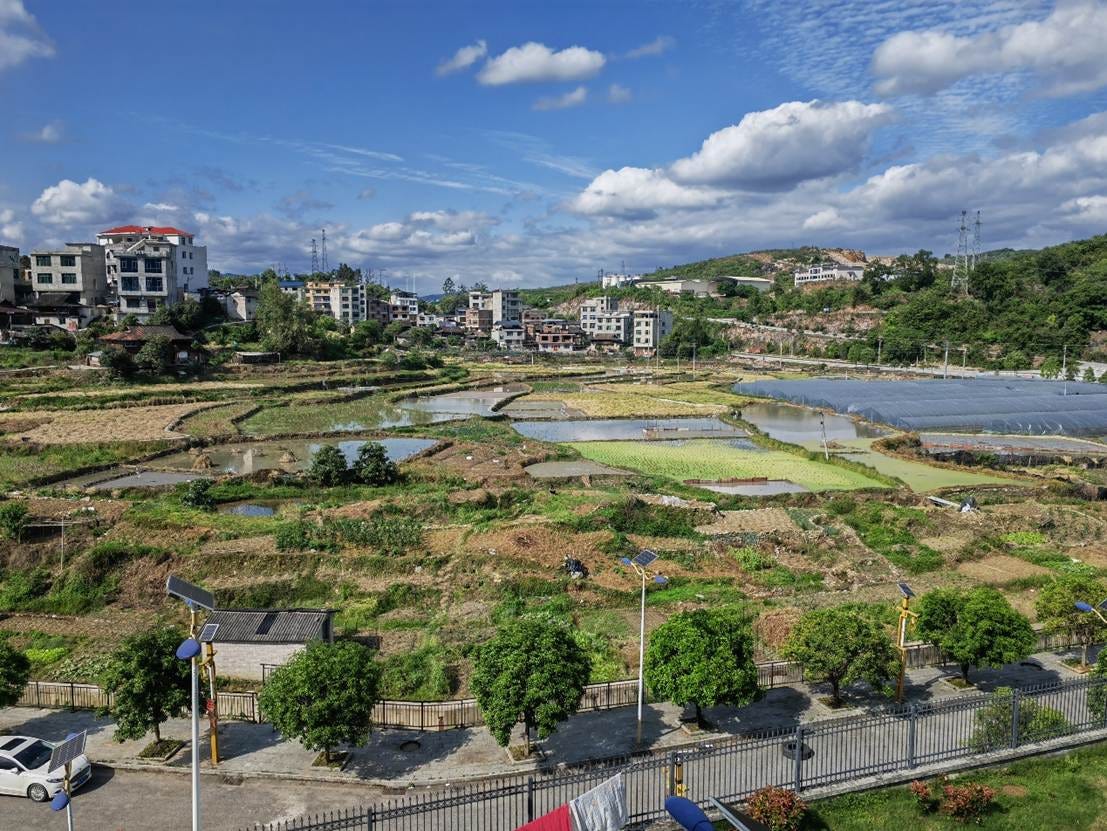
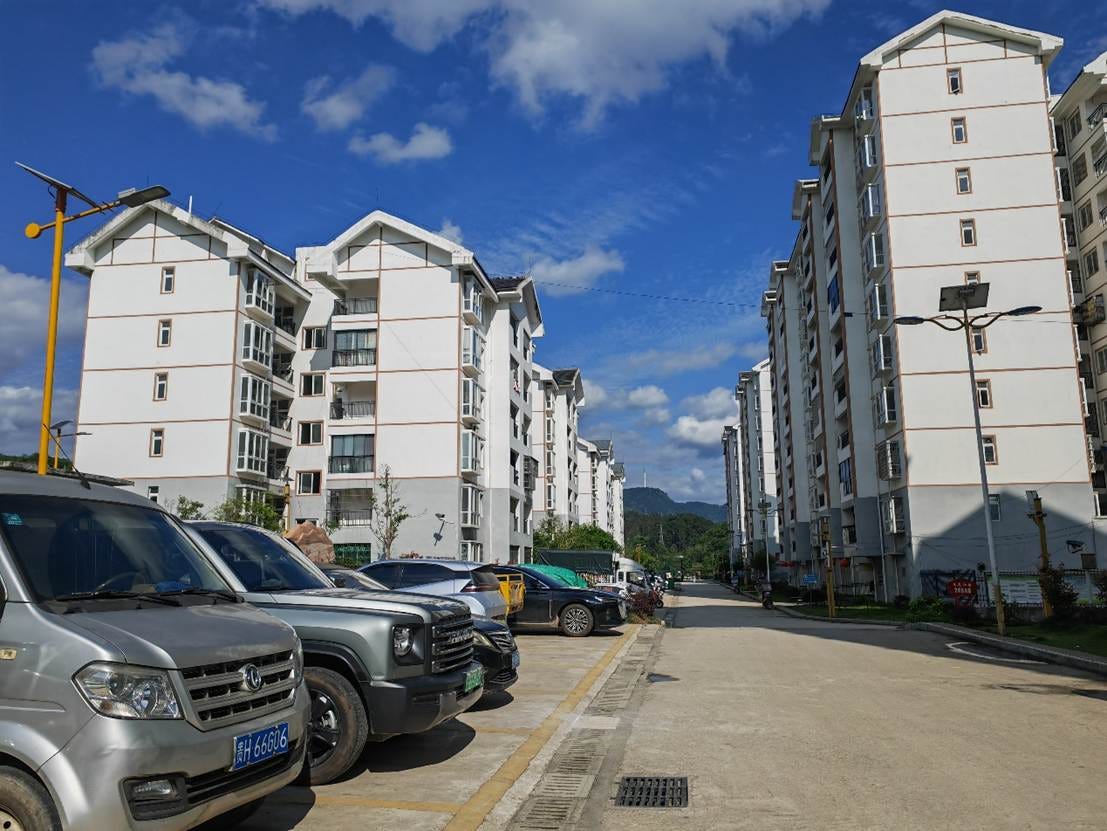
In addition, the report’s description of “traditional handicraft work” is somehow misleading. The work in question is not traditional handicraft production in the usual sense, but rather piece-rate mushroom picking. The intensity of such labor is not difficult for readers to judge for themselves. Framing it simply as grueling traditional handicrafts is, at the very least, more suggestive in tone than it is precise in meaning.
8. Are these stories representative?
“There’s nothing for the people who moved here to do: no land and no work,” says Gu Lili, a seller of Dong jewellery and Guandong native who lives nearby…
“Lots of houses are empty …This place is too poor.”
The shop owner is not actually known by the name used in the report, another indication of the inaccuracy of the FT’s “interview,” if it counted as one. She has lived there for ten years and said she had earned a decent income over that time. Her family owns both a car and a home and is fully capable of supporting the education of her three children.
She did mention that many houses are left vacant. However, according to local authorities, around 70% of the town’s residents work outside the area for employment. Some have also chosen to relocate elsewhere because they are not accustomed to living there. This does not support the narrative of community decline implied by the Financial Times.
More importantly, isolated cases cannot represent the overall situation in Guizhou Province, let alone in China as a whole. Among relocated populations in Guizhou, the employment rate of the labor force stands at 96.89%. The per capita net income of relocated individuals has increased from 11,228 yuan (1,642 USD) in 2020 to 16,927 yuan (2,476 USD) in 2024, an increase of 50.76%. Nationwide, the per capita disposable income of rural residents in formerly impoverished areas rose from 14,051 yuan (2,055 USD) in 2021 to 17,522 yuan (2,563 USD) in 2024.
The trends reflected in these data do not align with the overall impression manufactured by the report.
Their experience is typical, according to experts including Bikales, who say that China’s anti-poverty drive was characterised by supply-side interventions such as investing in new homes and infrastructure, with little enthusiasm for the building of social safety nets, such as income subsidies, or for wider contributions to healthcare and education costs.
Congjiang County may not be among the most prominent examples of poverty alleviation in China, but its data alone are sufficient to call into question the conclusions drawn by the experts cited in the Financial Times.
With regard to healthcare support, Congjiang has implemented targeted treatment programs for 30 major diseases, maintaining a treatment rate of 100%. The standardized management rate for key chronic diseases has increased from 98.4% in 2021 to 99.97%. For insured residents, outpatient expenses incurred within policy coverage at designated medical institutions are reimbursed at 90% at village clinics (or community health service stations).
In the field of education, over the past five years, Congjiang has allocated a total of 282.7 million yuan (41.3 million USD) in various forms of educational financial aid, supporting 482,696 student instances. During the same period, 701 million yuan (102.6 million USD) was invested in educational infrastructure, resulting in the construction, expansion, or renovation of 207 primary and secondary schools and kindergartens.
For a long time, mainstream Western media outlets enjoyed considerable credibility and respect in China. Their reporting was often regarded as an authoritative source of information. Publications translating articles from outlets such as The New York Times and The Wall Street Journal into Chinese, both as a way to view China from different perspectives and as material for learning English, were once widely available.
However, over the past two decades or so, the image of some Western media in China has noticeably declined. To be frank, the reasons are not entirely clear. They may be related to the broader decline of traditional media and the loss of experienced professionals, or to shifts in the global geopolitical environment that have led some journalists to adopt more filtered perspectives. Gradually, biases in topic selection and narrative framing have become more apparent or rampant, leaving the balance and accuracy of such reporting increasingly open to question.
Understanding and interpreting a country is never easy, but it should not begin with misunderstanding and misinterpretation.
Zhai Xiang works as a research fellow with the Xinhua Institute on China-U.S. relations.
Xu Zeyu, founder of Sinical China, is a senior journalist with Xinhua News Agency.
The FT, like the BBC, represents one of the ugliest faces of the Anglo-American media establishment: it speaks in the language of press freedom, but often operates through ideological filtering, selective fact selection, and narrative distortion.
This is the real face of what many Western media outlets call “independence” and “freedom.” They are not free of ideology. They simply disguise their ideology as objectivity. They are not above propaganda. They merely package propaganda as journalistic professionalism.
‘Will from Langley’ - you couldn’t make this stuff up! I’ve noticed his byline under many an article that uses the ‘China-evil’ framing this year. One hopes he’s less of a yokel than his fellow China-hack Thomas Hale, whose first piece on joining the FT (then not Nikkei-owned) was all about how he couldn’t hack it living in London. So, he was the obvious choice to be sent off to the hyperkinetic megalopolis of Shanghai <sigh> Shame that the old acronym for Failed in London Try HongKong doesn’t have the same snappiness for Shanghai.